Rolex Replica That Keeps Getting Recommended
Deciding on a 2236 Movement Rolex Replica: What Actually Matters from Real Use
After owning and rotating several high-end pieces over the years, I have learned that the movement inside a rolex replica determines far more of the day-to-day experience than case finishing or dial details. The 2236 clone keeps surfacing in conversations among people who buy these watches to wear, not just to photograph. It is not the flashiest option on paper, yet in the 31mm Datejust format it solves problems that show up later with adapted larger movements. This piece walks through why that matters when you are trying to decide whether to pull the trigger.
The smaller case size changes the priorities. A movement built for that platform avoids the usual compromises in winding, date alignment, and overall thickness. When the execution is good, the watch simply feels more complete on the wrist. When it is not, you notice it within weeks through inconsistent timekeeping or a date that hesitates. That distinction is what separates a purchase you keep from one you eventually sell at a loss.
While plenty of general discussions exist around fake rolex construction and common shortcuts, my perspective comes from actually living with the watches rather than spec sheets alone. The 2236 route is worth examining closely if the 31mm size appeals to you.
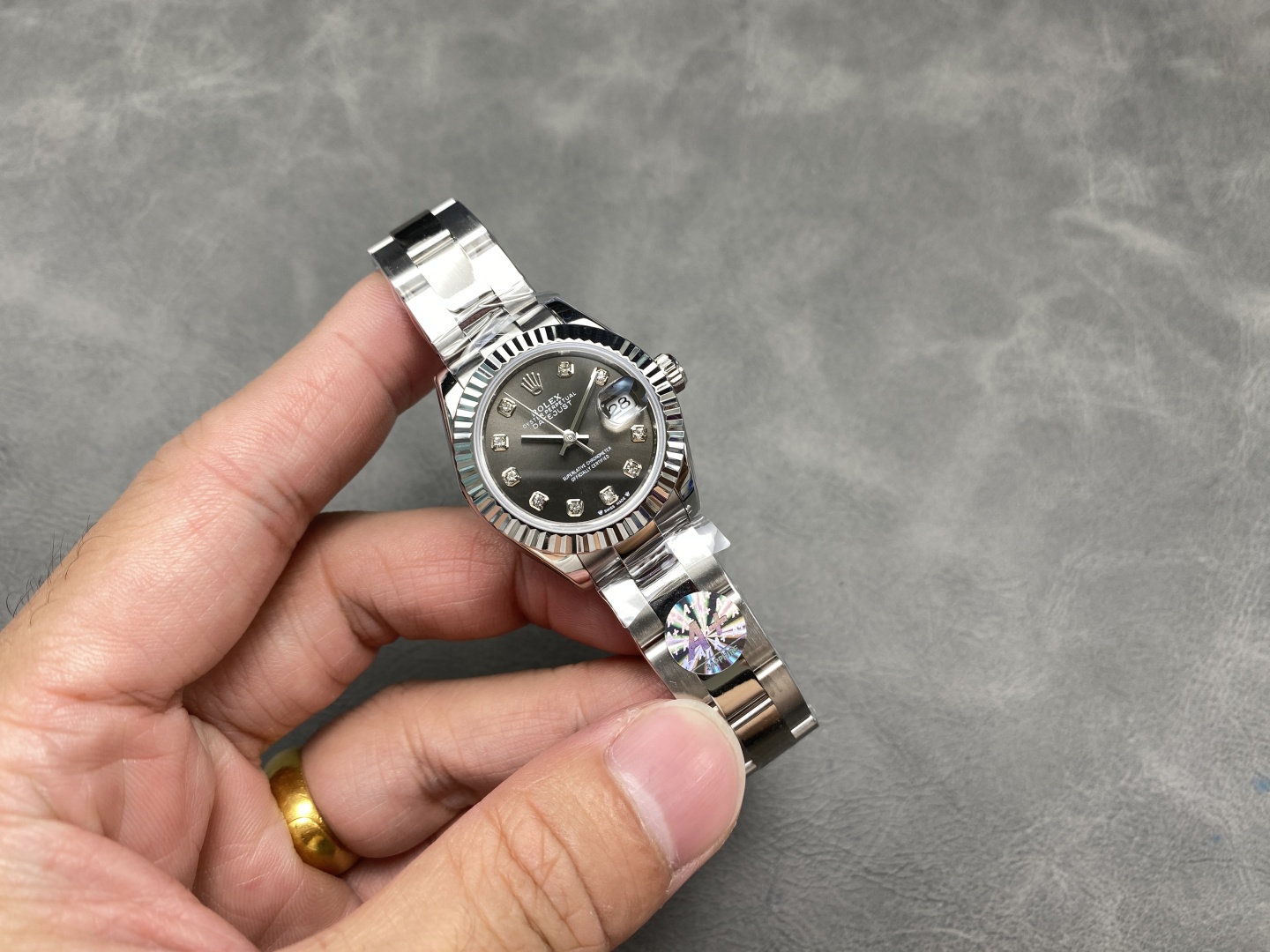
What the 2236 Movement Brings to Rolex Replicas
The 2236 clone used in current high-end 31mm Datejust replicas is a purpose-built movement that replicates the genuine Rolex Caliber 2236 in overall architecture, thickness, and key functions. It carries roughly 31 jewels and targets the 55-hour power reserve of the original through an efficient gear train and a silicon-style hairspring in the better versions. The date mechanism is designed for a clean, instant jump at midnight, and the hand stack and rotor layout match the genuine dimensions closely enough that no case spacers or forced fits are required.
This matters because most replica movements for small cases are simply scaled-down or modified versions of larger base calibers. Those adaptations often result in thicker profiles, weaker winding, or date wheels that sit slightly off-center. The 2236 clone sidesteps those issues by matching the genuine platform from the start. Structural similarity here is high: the plate layout, jewel positions, and overall diameter allow the movement to seat correctly in the 31mm case without the usual compromises that appear under close inspection or after a few months of wear.
In practice this translates to better long-term stability for someone who actually wears the watch. The date changes sharply instead of creeping, the rotor winds smoothly without excessive noise, and timekeeping stays consistent once the piece is regulated. The real impact on a buying decision is reduced risk of early disappointment. You are not fighting the movement to fit the case, so small issues do not compound over time. That said, the clone is still a replica movement; it will never match genuine material quality or finishing depth, and that gap shows up mainly during service rather than daily use.
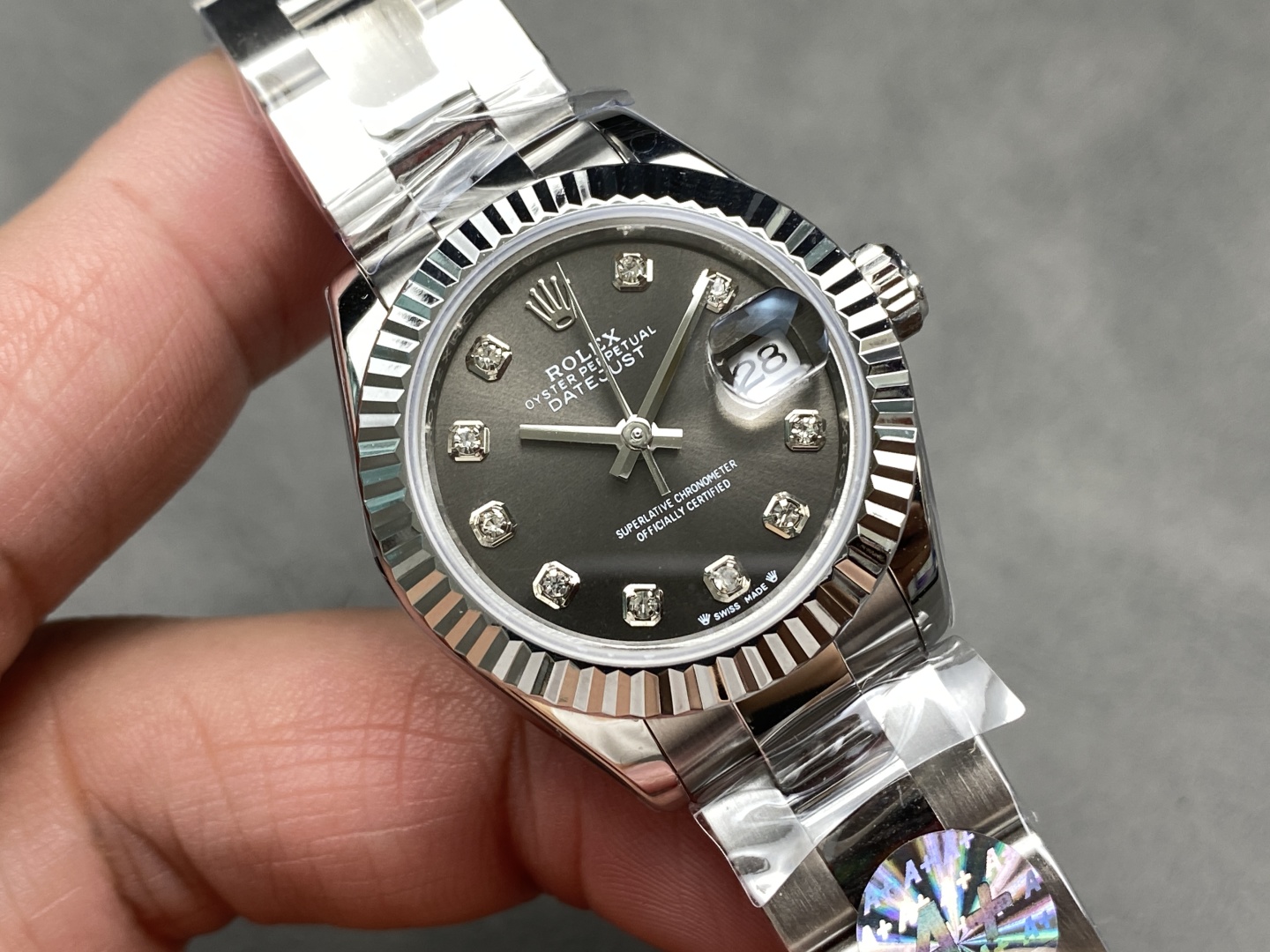
Structural Similarity and What It Means for Fit and Function
Top implementations of the 2236 clone achieve enough dimensional accuracy that the movement drops into the case exactly as the genuine does. This eliminates the common problem of having to add spacers or shave material, both of which can create long-term stress points or affect amplitude. The rotor weight and bearing are replicated closely enough that winding feel remains natural, and the date wheel aligns properly with the window without floating or partial jumps. From direct experience, watches built this way require less fiddling after arrival and hold regulation longer between services.
The downside is that clone-specific parts are not as widely stocked as standard ETA components. If something does go wrong after a couple of years, you are more likely to need a specialist familiar with these movements rather than any local watchmaker. For most buyers that trade-off is acceptable if the initial quality is high, because the day-to-day experience stays closer to what a modern genuine 31mm Datejust delivers in terms of proportions and operation.
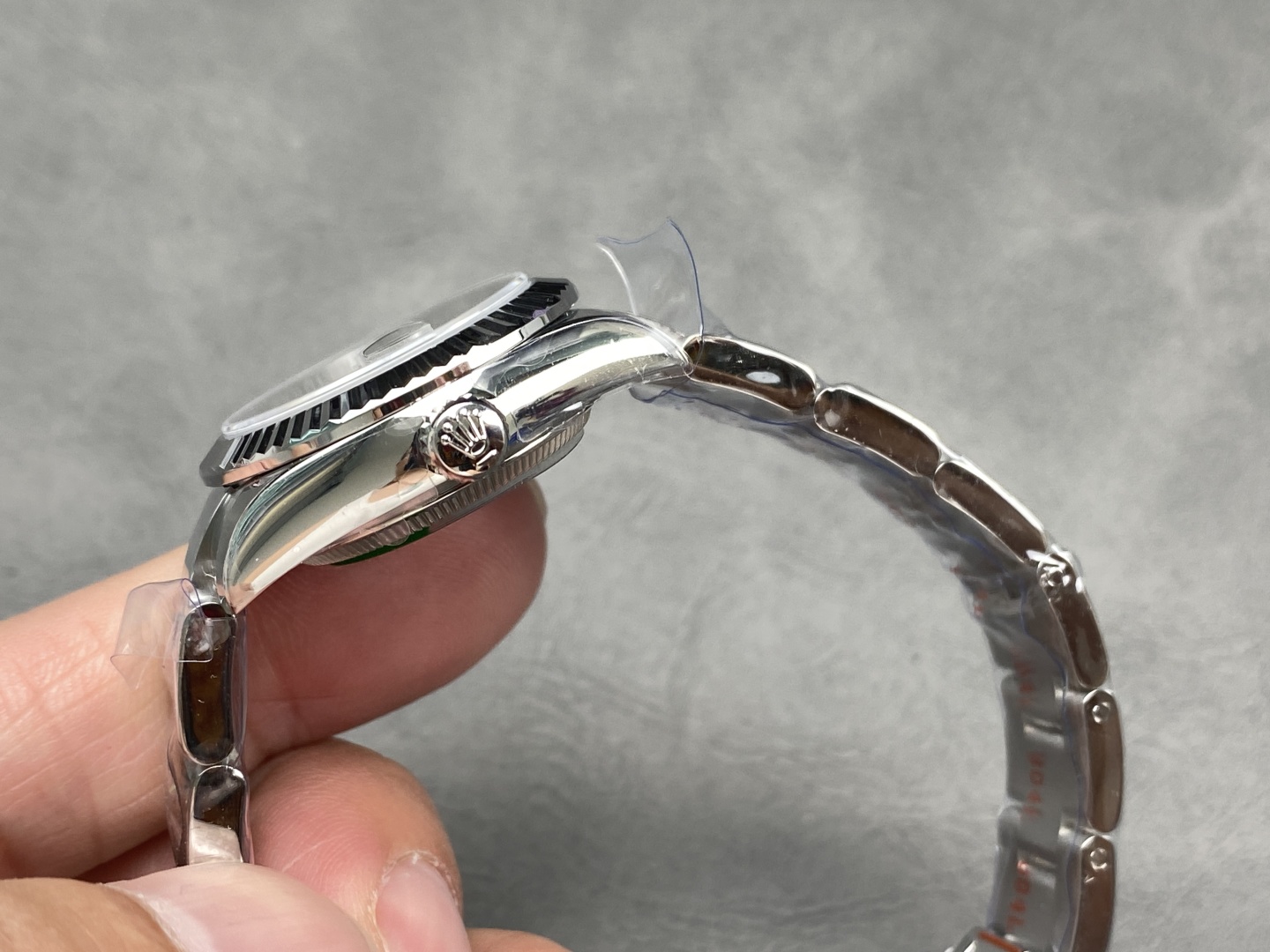
Power Reserve Delivery in Actual Wear
Genuine 2236 power reserve sits at 55 hours. Well-executed clones in quality replicas typically deliver between 45 and 55 hours depending on how much wrist movement the owner provides and how well the movement was regulated at the factory. If you wear the watch daily and give the crown a few turns after a sedentary day, it easily covers a full weekend. For someone who rotates several watches, the reserve still gives useful flexibility without constant winding.
The practical effect is fewer stopped watches and less anxiety about accuracy drift. However, real delivery varies more with assembly quality than the movement designation itself. I have seen units from the same movement family perform differently based solely on how carefully the factory set the beat and amplitude. That variability is why chasing the highest advertised reserve number can mislead; consistent real-world output matters more than the spec on the marketing sheet.
Why Movement Specifications Are Often Overrated for Most Buyers
Movement specs get a lot of attention in replica discussions because they are easy to compare on paper. Power reserve, jewel count, and claimed accuracy sound concrete. In reality, for the majority of people who buy a best replica watches piece to wear rather than collect, those numbers tell only part of the story. A 70-hour movement that was poorly regulated or installed with marginal parts can underperform a carefully finished 55-hour unit in daily life. The gap shows up as faster drift, weaker amplitude, or a rotor that feels gritty instead of smooth.
The reason specs receive too much weight is that they ignore the variables that actually affect ownership: how well the factory regulates the movement, the quality of the parts used in that specific batch, and whether the seller stands behind the piece after delivery. In my experience, buyers who focus first on factory reputation and post-sale support end up happier than those who pick solely by the longest reserve number. The 2236 clone illustrates this clearly. Its 55-hour target is solid for a compact movement, yet the watches that perform best are those from factories that take time with regulation and testing rather than the ones advertising the highest theoretical figure.
One common mistake is assuming that any movement labeled 2236 will deliver the same experience. Lower-tier versions often use cheaper base calibers with added date modules and stamped markings. These can look acceptable in photos but reveal themselves through inconsistent date jumps, faster power reserve depletion, and earlier need for service. The impact is not just inconvenience; it erodes confidence in the purchase and usually leads to higher total cost once repairs or replacement enter the picture.
Common Pitfalls When Evaluating 2236 Equipped Rolex Replicas
Another frequent error is treating the movement in isolation from the rest of the build. Even a strong 2236 clone can be let down by mediocre case finishing, poor dial printing, or weak crystal that scratches easily. Buyers sometimes accept these shortcomings because the movement spec looks good, only to notice the overall quality gap once the watch is in hand. The result is a piece that feels less convincing on the wrist and loses value faster if you ever decide to move it on.
A third issue I see regularly is underestimating repair realities. Because the 2236 clone uses specific parts rather than widely available ETA components, service options are narrower. A good local watchmaker may decline the job or charge more. This does not make the movement bad; it simply means the total cost of ownership includes planning for specialist service every few years. Buyers who factor that in from the start avoid unpleasant surprises later.
How the 2236 Clone Compares to Other Movements in Replica Rolex Watches
When placed next to the more common 3235 clone used in 36mm and 41mm Datejust replicas, the 2236 shows clear specialization. The 3235 offers a longer theoretical reserve around 70 hours and benefits from years of refinement at top factories such as Clean and VSF. Those factories have reached a level where timekeeping consistency and finishing are reliably strong across batches. The trade-off is that the 3235 is sized for larger cases; forcing it into a 31mm build often requires compromises in thickness or winding efficiency that the 2236 avoids entirely.
For someone whose wrist suits the smaller diameter, the 2236 clone delivers better overall integration and a more authentic wearing feel. The date function operates cleanly without the adaptation quirks sometimes visible in downsized larger movements. On the other hand, if you want maximum power reserve and broader factory support, the 3235 route from an established maker still holds an edge for larger watches. Good factories working with the 2236 are fewer but improving quickly; the better ones now match the daily reliability of mid-to-high tier 3235 builds without the fit issues. The choice ultimately comes down to preferred size and whether you value tailored engineering over raw spec numbers.
Wrist Test Versus Macro Test: What Actually Predicts Satisfaction
Many buyers rely heavily on macro photographs of the movement, dial edges, and caseback engravings when judging quality. Those images can reveal obvious finishing shortcuts or misaligned parts. Yet in practice the wrist test reveals more about whether you will still enjoy the watch after six months. Does the crown wind with consistent resistance and no grinding? Does the date snap cleanly at midnight without hesitation or partial movement? Does timekeeping stay within a few seconds per day across a full week of normal wear, or does it require frequent resets? Rotor noise or weak amplitude often only becomes apparent after extended use rather than in a still photo.
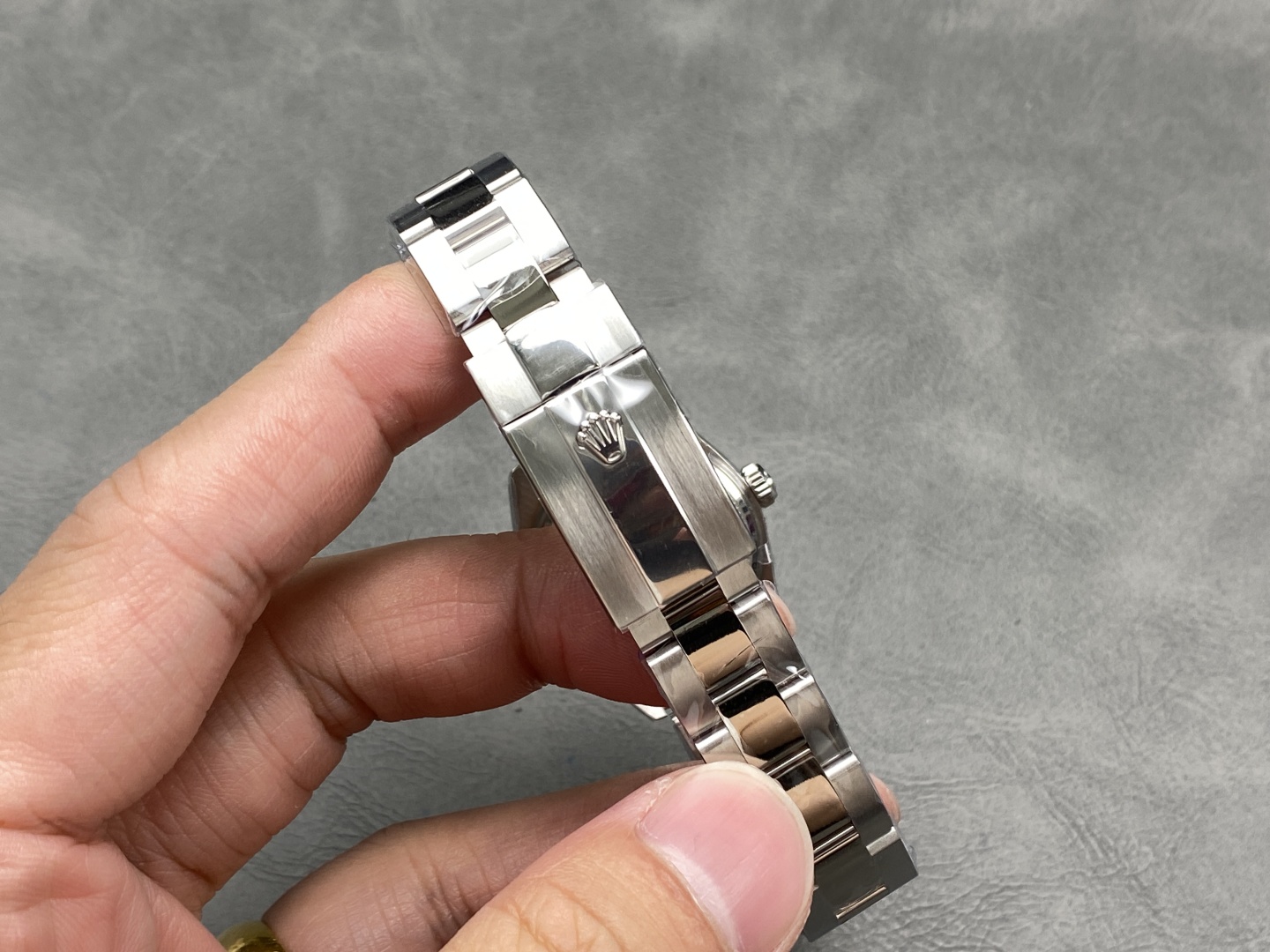
In my experience with 2236 equipped pieces, the ones that passed macro inspection but felt average on the wrist usually had regulation or assembly shortcomings that showed up as faster drift or inconsistent winding. The reverse also happened: a movement that looked slightly less perfect up close performed reliably once worn because the factory had prioritized function over cosmetic details. The practical takeaway is to balance both checks. Macro photos help filter obvious problems, but insist on seller policies that allow real-world testing or easy returns if the piece does not perform as expected once it is on your wrist.
Experience-Based Advice on Whether to Buy
If the 31mm Datejust style fits your wrist and you want a movement that matches the case proportions without compromise, a well-executed 2236 clone from a trusted source is one of the stronger options currently available. It avoids the common small-case compromises and delivers modern features like a clean date jump in a size that feels natural for many people. The key is choosing the source carefully; factories that specialize in accurate compact movements and stand behind regulation produce noticeably better results than generic offerings.
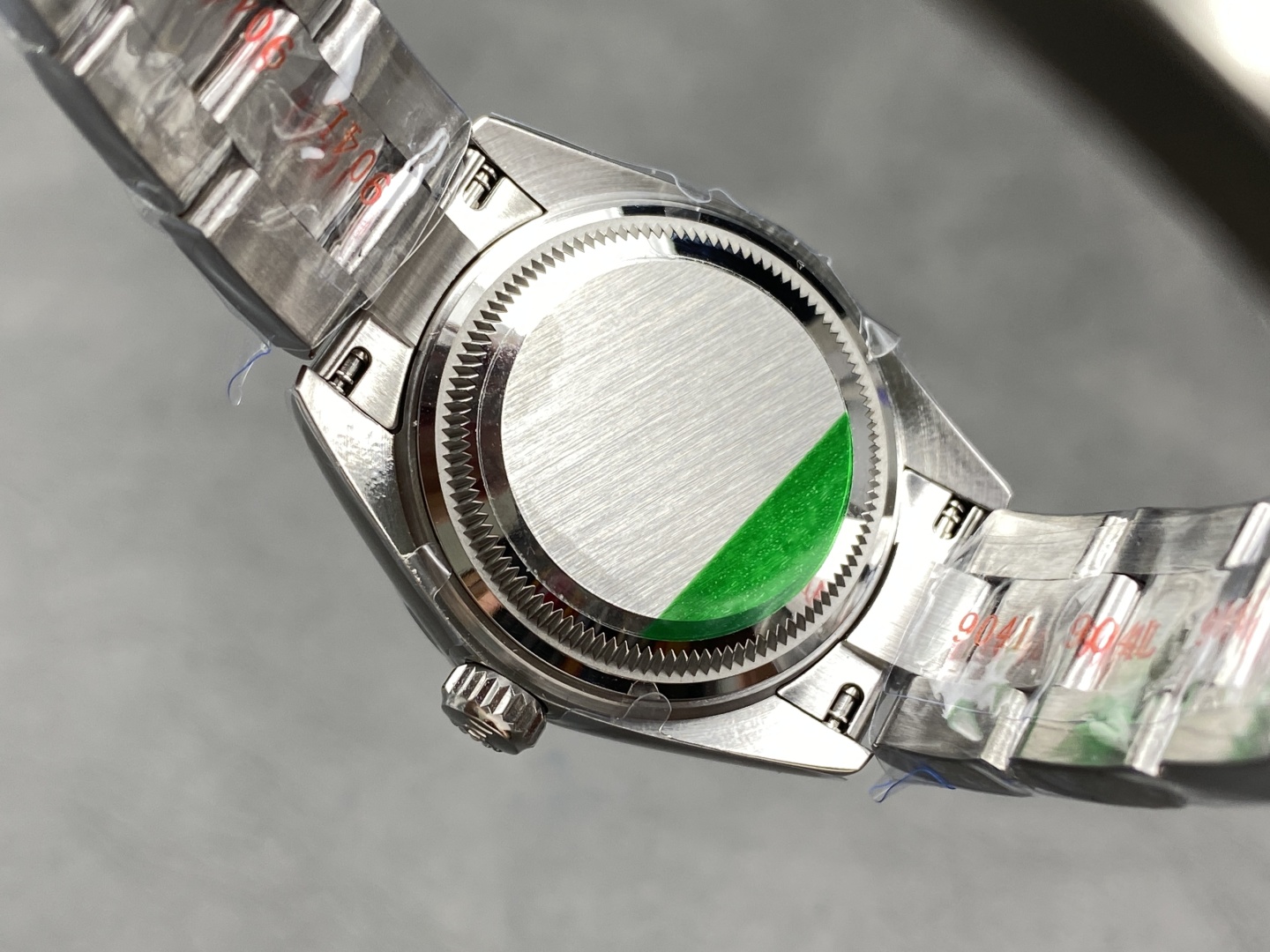
I have seen too many rolex land dweller replica discussions and cheap alternatives that prioritize low price over execution, and the pattern is consistent: initial excitement fades once daily use exposes the shortcuts. For a best rolex replica that you intend to keep and wear, the incremental cost of a properly built 2236 piece is usually justified by fewer headaches and better long-term satisfaction. If your preference leans toward larger sizes or maximum power reserve, the refined 3235 options from established factories remain the safer default. Either way, treat the movement as one important factor among several rather than the sole deciding spec.
FAQ
What power reserve can I realistically expect from a quality 2236 clone in daily wear?
Most well-regulated examples deliver 45 to 52 hours with normal wrist activity. If you wear it every day and give it a few manual winds after low-movement periods, it easily covers a weekend. Results vary more with the individual unit's regulation than the movement model itself.
Is the 2236 a true 1:1 clone of the genuine Rolex caliber?
It is a close structural and functional clone with matching dimensions, date mechanism, and rotor layout, but it uses replica-grade parts and materials. The best versions pass visual and operational checks that matter for wear, yet they are not interchangeable with genuine components.
How does the 2236 compare to 3235 clones in real-world reliability?
The 3235 offers longer reserve and benefits from more mature factory refinement in larger cases. The 2236 excels in proper fit for 31mm builds without adaptation compromises. Daily timekeeping and date function are comparable when both come from strong factories; the difference shows mainly in case integration and service part availability.
What are the most common issues reported with 2236 movement replicas?
Inconsistent date jumps or slower power reserve depletion usually trace back to lower-tier implementations or poor regulation. High-quality versions from reputable factories show far fewer of these problems once initially set up.
Should I pay more for a 2236 equipped piece over a cheaper movement option?
If the 31mm size is your priority and you want clean integration without the usual small-case workarounds, yes. The added cost typically buys better long-term usability and fewer early issues. For larger watches or maximum reserve focus, established 3235 builds may offer better value.
How important is the specific factory for a 2236 Datejust replica?
Very important. The movement designation alone does not guarantee performance; factory QC on regulation, parts quality, and assembly makes the largest difference in daily accuracy and longevity.
Can these movements be serviced, and what should I expect?
Yes, but you will likely need a specialist familiar with clone movements rather than a general watchmaker. Service intervals are similar to other replicas (every 3 to 5 years with regular wear), and parts sourcing is narrower than for standard ETA calibers.
Does the 31mm size with the 2236 feel more authentic than larger models using adapted movements?
For many wearers yes. The tailored movement eliminates the thickness or winding compromises that sometimes appear when larger calibers are forced into smaller cases, resulting in proportions and operation that align more closely with genuine 31mm examples.